Understanding QBCC Roofing Regulations in Queensland
Maintaining a safe, structurally sound roof is vital for any property owner in South-East Queensland. Given the region’s susceptibility to severe storm seasons, localized hail events, and intense UV exposure, the state enforces rigorous building standards. The Queensland Building and Construction Commission (QBCC) serves as the primary regulatory body overseeing building standards, contractor licensing, and consumer protection across the state. Understanding these regulations ensures that any roof replacement, restoration, or structural repair meets statutory compliance, preserves property value, and qualifies for statutory warranty protections.
The QBCC Licensing Framework for Roofing Contractors
In Queensland, building legislation strictly prohibits unqualified individuals from carrying out trade work above defined monetary thresholds. Any residential roofing project valued at over $3,300 (including labour and materials) must be completed by a contractor holding an active, appropriate QBCC licence. For specialized services, contractors must hold specific licence classes, such as Roof and Wall Cladding for metal roofing installations or Roof Tiling for concrete and terracotta tile structures.
Hiring a contractor who holds a current licence ensures they possess verified technical competencies, carry compulsory public liability insurance, and meet minimum financial requirements established by the commission. Property owners throughout Brisbane, the Gold Coast, Ipswich, and the Sunshine Coast should always verify a contractor's licence number through the public QBCC online register prior to signing contracts or paying deposits.
Mandatory Queensland Home Warranty Insurance
One of the most critical elements of QBCC regulation is the compulsory Home Warranty https://roofrestorationseq.com.au Insurance scheme. When residential building work exceeds the $3,300 threshold, the licensed contractor is legally required to collect the insurance premium from the property owner and pay it directly to the QBCC before work commences on site.
This statutory insurance delivers vital safeguards to property owners, offering coverage against:
- Incomplete work: Protection if the contractor fails to complete the contract due to insolvency or licence suspension.
- Structural defects: Warranty protection lasting up to six years and six months from the date of completion or contract execution.
- Non-structural defects: Coverage for secondary workmanship flaws, typically applicable for up to six months post-completion.
- Water ingress and flashings: Rectification coverage if improper installation leads to internal structural damage during extreme weather events.
Technical Building Codes and Australian Standards
Roofing projects in South-East Queensland are subject not only to administrative licensing rules but also to strict technical mandates set by the National Construction Code (NCC) and relevant Australian Standards. Contractors must execute installations according to specific engineering requirements designed for local wind ratings.
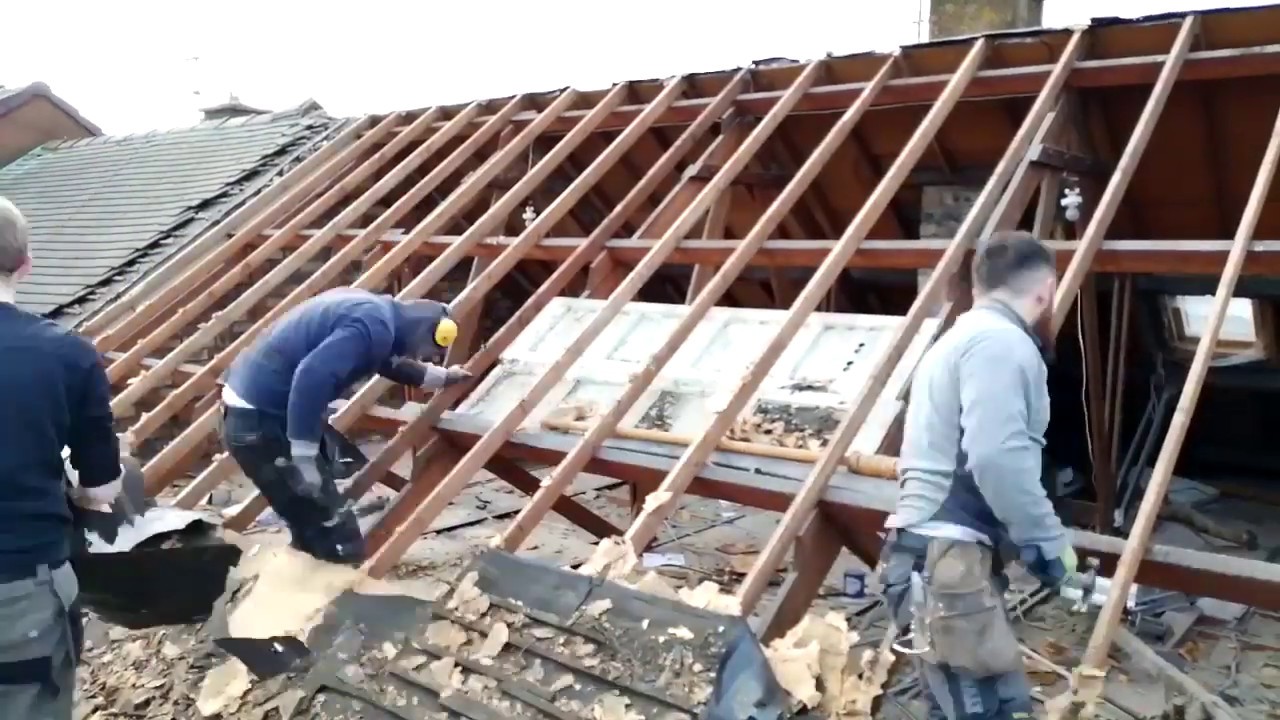
Most residential zones across South-East Queensland are classified under wind categories N2 or N3 (non-cyclonic), though elevated ridge lines and coastal frontages may require higher ratings under AS 4055 (Wind Loads for Housing). Metal sheet roofing must comply with AS 1562.1, dictating correct fastener spacing, cyclone-rated fixings, and thermal expansion joints. Tile roofs must adhere to AS 2050, which outlines mandatory mechanical bedding and pointing techniques to prevent dislodgement during severe summer storms.
Essential Compliance Steps for Homeowners
Navigating a roofing repair, re-roofing, or restoration project requires proactive oversight to ensure your investment remains fully legally compliant. Following a structured due diligence process safeguards homeowners from liability, sub-standard materials, and defective workmanship.
- Verify the contractor's credentials: Confirm the contractor holds an active licence in the correct class with no current disciplinary records on the QBCC public register.
- Execute a compliant written contract: Ensure you receive a formal QBCC-approved domestic building contract detailing the total project sum, payment schedule, and defined scope of works.
- Obtain the Notice of Cover: Confirm that the contractor has lodged and paid the QBCC Home Warranty Insurance premium, and obtain your formal certificate directly from the commission.
- Secure certification documents: Upon completion, collect all compliance certificates, such as a Form 43 Aspect Certificate, confirming that the roof tie-downs, flashings, and claddings meet current technical standards.
The Risks of Non-Compliant Roofing Work
Engaging unlicensed operators or attempting uncertified major structural modifications introduces significant financial and legal liabilities. Unlicensed work is entirely ineligible for QBCC Home Warranty Insurance, leaving the property owner personally liable for any rectifications. Furthermore, building insurers routinely reject storm damage claims if structural assessments reveal that the underlying roof structure was installed without requisite compliance certifications or by unlicensed practitioners. By engaging properly licensed QBCC roofing specialists, property owners across South-East Queensland guarantee compliance, security, and long-term peace of mind.
SEQ Roof Restoration Experts
Unit 6/25 Lerna St, Woolloongabba QLD 4102
(07) 3132 3236